Filmmaker Interview: Ranabir Das

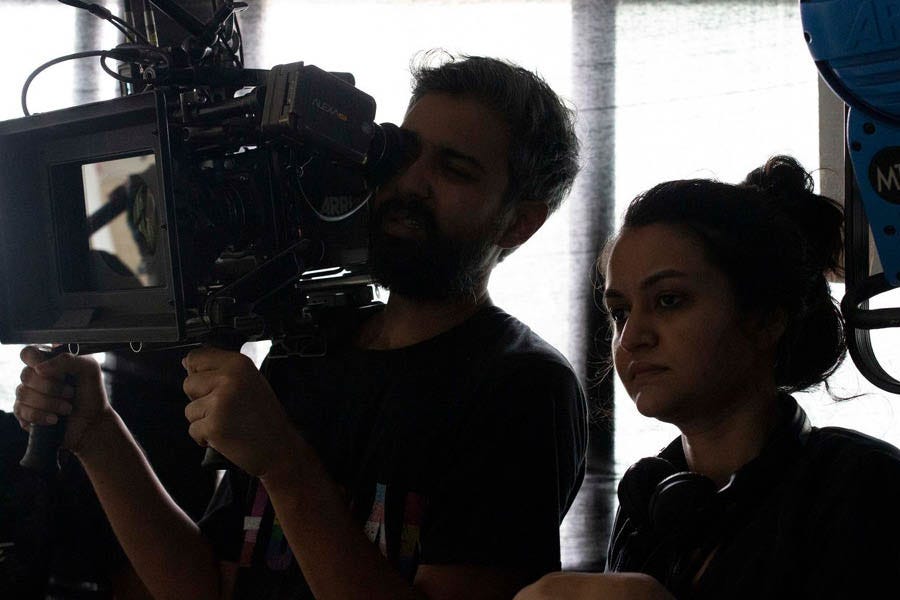
Cinematographer and filmmaker Ranabir Das has emerged as a distinctive voice in contemporary South Asian cinema through his collaborations with writer/director Payal Kapadia. A graduate of the Film and Television Institute of India (FTII), Das’s work is rooted in the visual textures of everyday life, articulating the shifting realities of modern India through sharp observations and dreamlike sensibilities.
He is best known for A Night of Knowing Nothing, an intimate portrait of the student protests at FTII and across the country, as well as the feature film All We Imagine as Light, which won the Grand Prix at the 2024 Cannes Film Festival.
In our conversation, Das reflects on his influences, approaches and the experimentation that goes into shaping his work with Kapadia, and on how love, politics, and place have guided his practice.
Words by Shyamoli Shah
SHYAMOLI: Could you tell me about your artistic upbringing and how those early influences have shaped your work today?
RANABIR: My interest in cinema began when I was a teenager. At the time, it was films that were popular, like Trainspotting and Snatch. I loved that style, but after joining FTII, I was exposed to more work from around the world — naturally, Tarkovsky and Antonioni were influences.
SHYAMOLI: FTII is modelled on the Soviet system. How did that impact your approach to filmmaking and cinematography?
RANABIR: At the time, the [National Film Archive of India] was still attached to the school, so we had access to rare films from Indian history. People made secret copies of Czech and Soviet films entering the country. It was totally illegal, but we would have screenings projected from those prints every week.
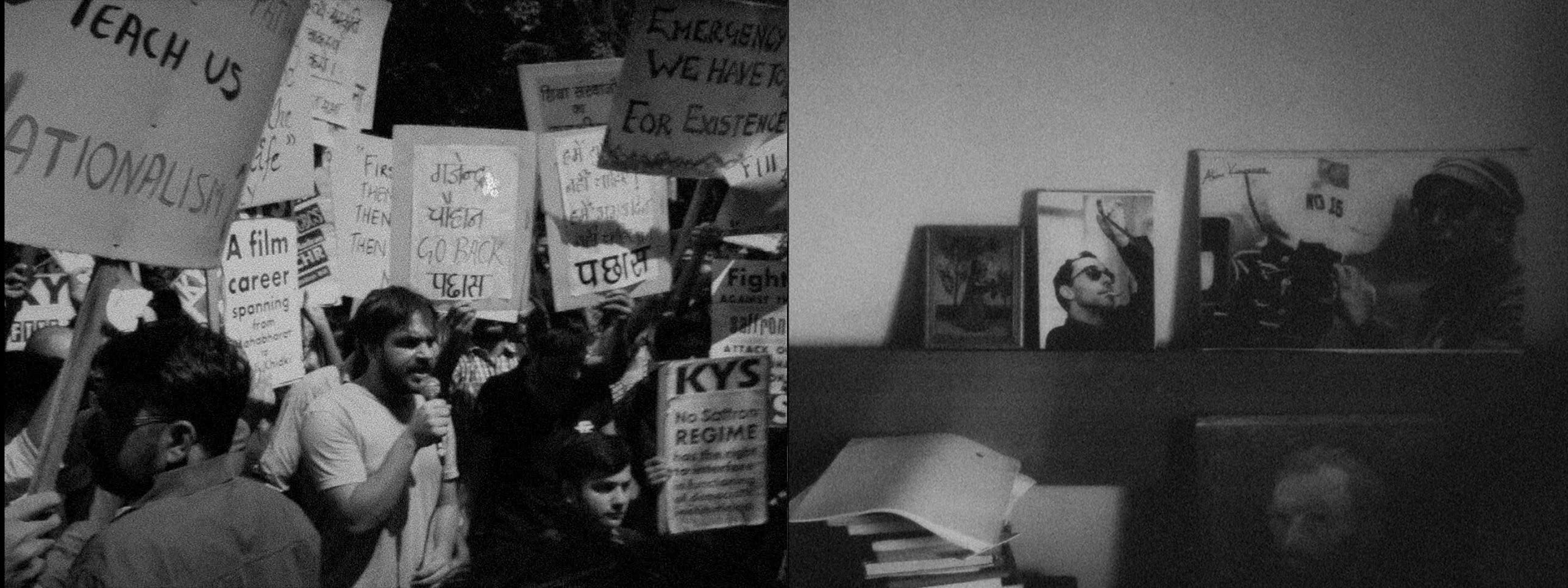
SHYAMOLI: What guided the aesthetic and thematic decisions to digitally emulate the look of 8mm and 16mm on A Night of Knowing Nothing?
RANABIR: A Night of Knowing Nothing began with Payal and me wanting to document life around us. Really, we started making the final film after the strikes were over. We wanted to know what everyone was feeling and thinking about the future —youth, adulthood, etc.
We used a small digital camera, since that is what we had access to. But the idea of it looking like film developed while we were shooting. We put stockings over the lens and added grain to make it feel like the Czech and French films we were watching. Even though the story is set in the present, it created a sense of nostalgia, memory and warmth even as what we were dealing with grew darker.
SHYAMOLI: To me the choice to emulate an analogue look has a political edge. How did this connection between aesthetics and politics emerge while working on the film?
RANABIR: So much of it is about looking back within our collective and beyond, trying to understand what was happening around us. Other people were also recording the strikes, and a lot of the film is material we gathered. Having a defined analogue look helped us bring it together.
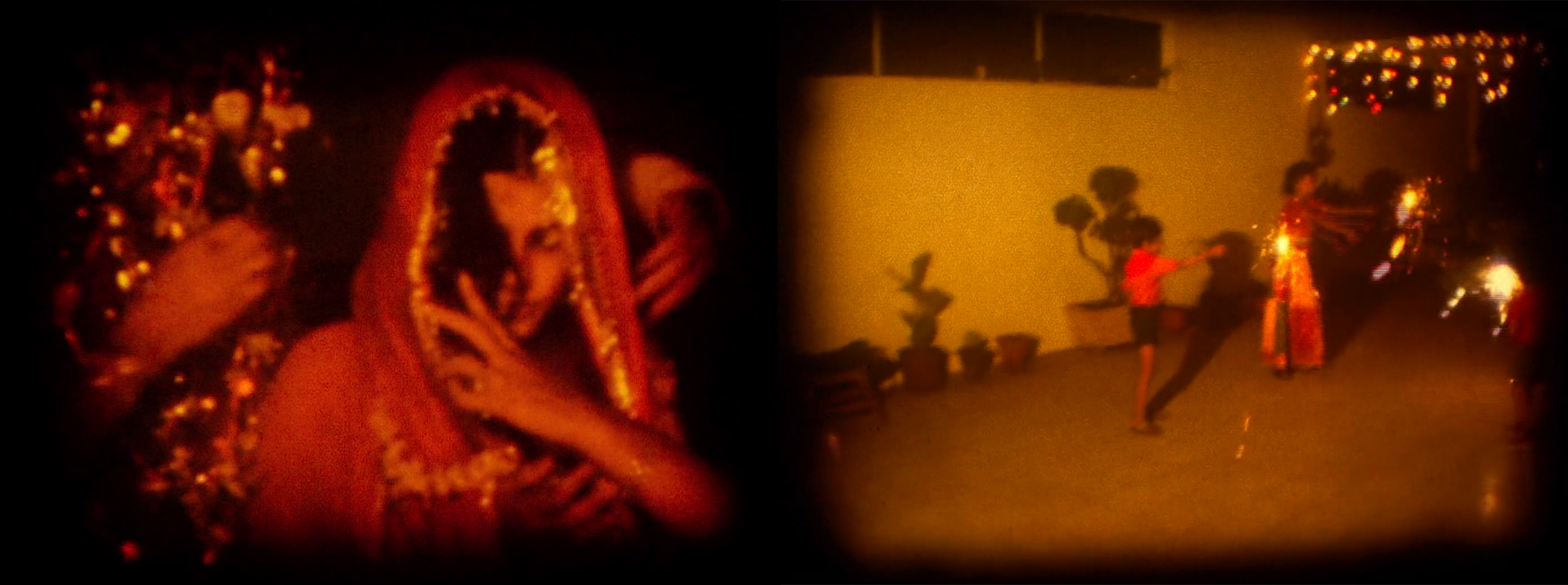
We used archival footage shot on 8mm. I was also the editor, and those images gave a sense of a larger world and history outside of where we were situated, [to] expand the story and ideas. For example, [the archive] juxtaposes the “memories” of a happy bourgeois family with L’s narration to implicate those very families and systems of caste and wealth.
SHYAMOLI: What was it like to shoot, edit and find the film’s overarching narrative and themes as they unfold? Did assembling a documentary around a fictitious framework help?
RANABIR: The filmic images came from a need to make things feel intimate — like a home movie. We had interviews with friends that were long and meandering, which we initially used to edit. But when speaking to people casually, without an agenda, it’s hard to build a clear narrative. It was only when Payal decided to write the fictional character, L, to represent the interviews and the collective perspective [it came together].
Shooting and editing allowed me to form a consistent visual grammar from start to finish. But the protests changed the way we shot. The camera became more active. The content of the letters and the materials we collected also opened the scope for the edit.
SHYAMOLI: Watching your work, one can’t help but consider the role of film as a cultural and historical document. All We Imagine as Light captures Mumbai at a particular moment in time. Was the landscape of the city something you were conscious of while making the film?
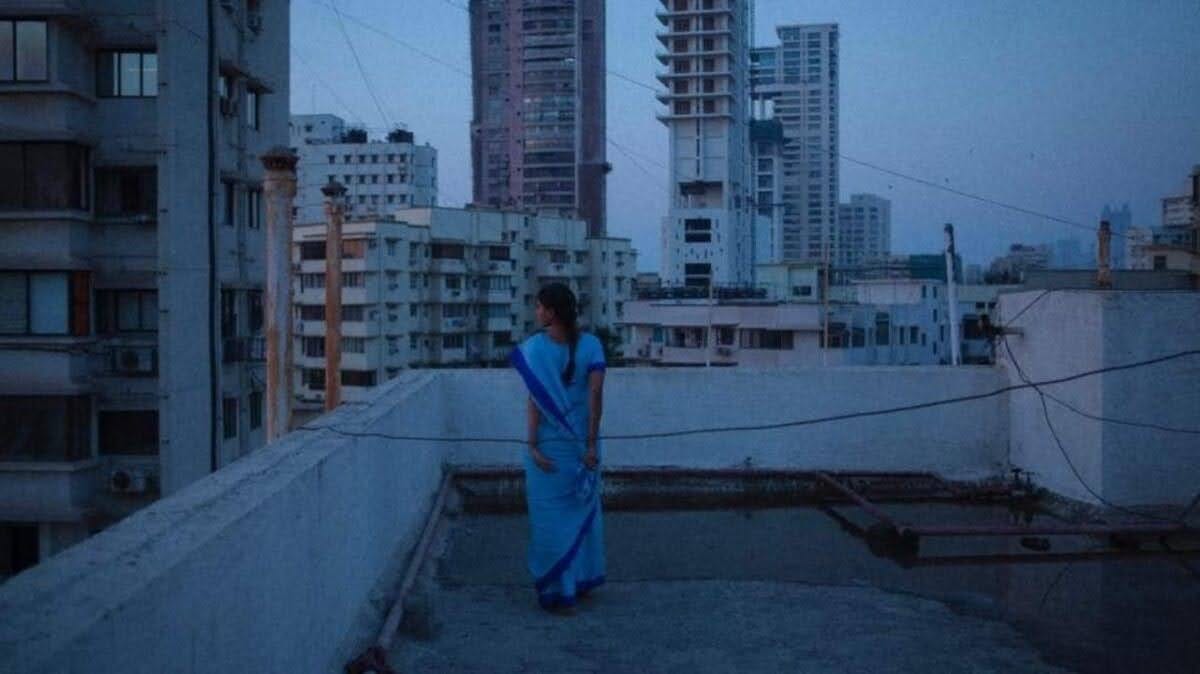
RANABIR: The city played an important role right from the beginning. It was a privileged position to have a lot of pre-production time. Almost a year before, we spent time shooting the city [and] how we wanted to capture Mumbai. During the previous monsoon, we took stills and videos, which helped us find certain visual elements that show up in the final film, like the blue tarpuline, which felt unique to the city’s atmosphere.
The look of the film comes directly from the particularity of the space —the colours of the trains and stations, the buildings, and the construction. We used those elements to create the colour palette.
SHYAMOLI: Given the film’s title, I have to ask about the light in Mumbai. It’s simultaneously harsh and diffused, due to pollution and density. What was it like working with that sort of light?
RANABIR: Light was a big part of the story’s visual language. A lot of it takes place during the evenings and night, and apart from the daylight generally having a diffused look during the monsoon, it was the light during the late evenings that lends to the film’s dreaminess and sense of time being suspended. Going back to analogue, we actually wanted to shoot All We Imagine as Light on 35mm, but it was out of the question because of the budget. We did do tests on 16mm, but even then there were constraints. I loved shooting on film, but we wanted the freedom of digital, and those tests helped shape the final image. Inherently, in Payal’s style of writing, there is a softness, and the cinematography has to reflect that.
SHYAMOLI: I also want to ask you about love as a political act. What has it been like exploring this theme across projects?
RANABIR: With A Night of Knowing Nothing and the initial interviews, it was on people’s minds. FTII is a public film school, so there were students from all over the country living more freely than they would [otherwise]. But after university, that’s a different story. At that point, we had about six months or a year before we graduated. There were people in interfaith and intercaste relationships, and everyone was thinking about love and the future. Everyone was trying to make sense of it. So naturally, it became a prominent theme.
SHYAMOLI: Did your work on A Night of Knowing Nothing influence your approach to All We Imagine as Light?
RANABIR: Shooting A Night of Knowing helped us both become freer and more spontaneous in how we made All We Imagine as Light. We began incorporating more camera movement [and] moving towards visual intimacy; getting closer to characters while also focusing on the feelings created by small technical details, like playing up halation in post to evoke luminosity and darkness, and a sense of magic.
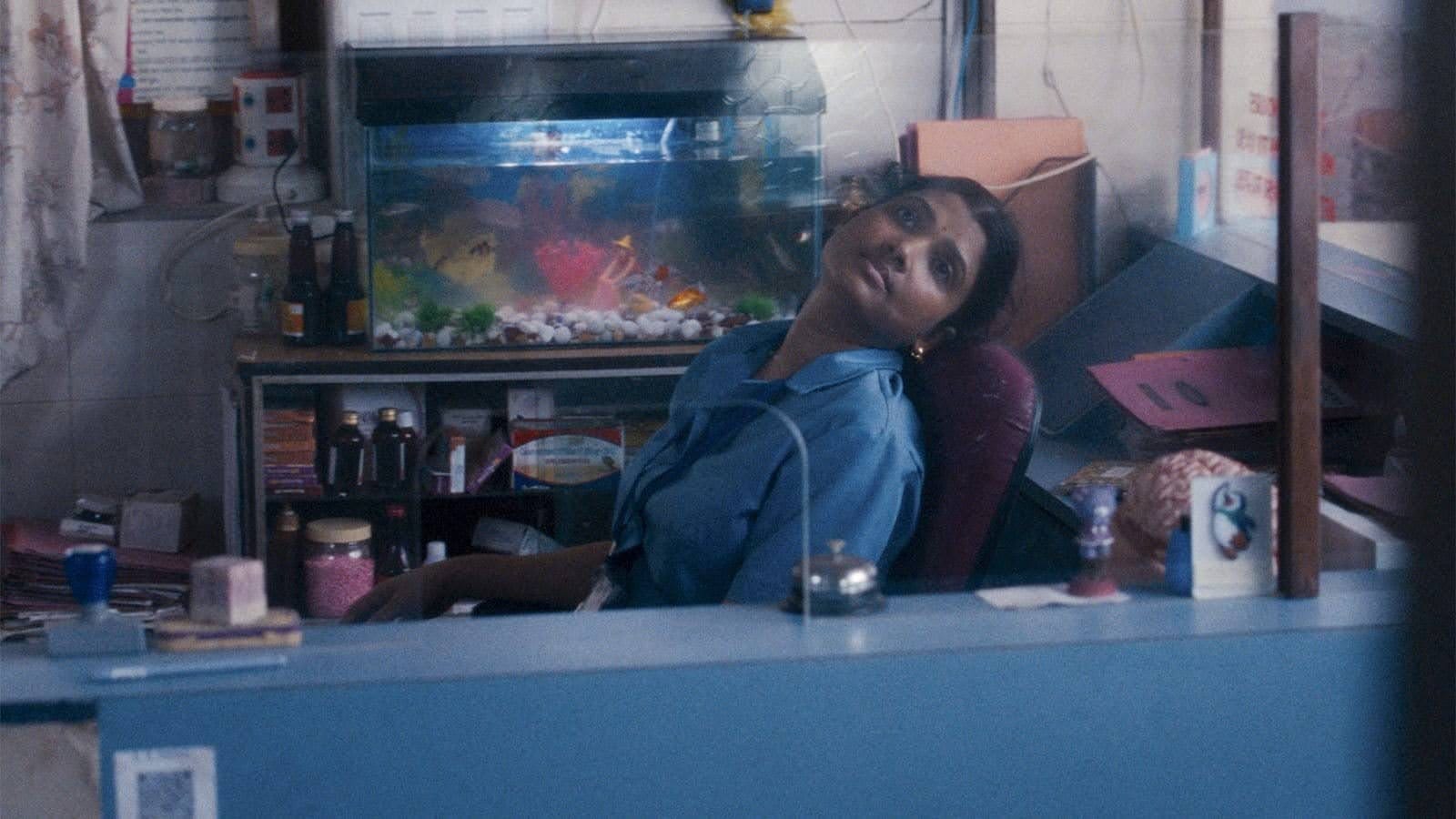
SHYAMOLI: All We Imagine as Light explores its female characters’ internal lives. How did you go about devising a visual language to support that representation?
RANABIR: [We] discussed paintings and still images, and we broke down certain elements and what they evoked in certain scenes and moments. Painters like Felix Valenton and Arpita Singh. I was consciously looking at the work of female cinematographers like Ellen Kuras and Agnès Godard and studying the differences between their approaches and my own, how they captured and saw things.
SHYAMOLI: Given India’s current cultural, political, and social landscape, how do you see cinema as a way of capturing and making sense of this period of time?
RANABIR: Payal makes films about whatever she is preoccupied with at the time. Her starting point and intentions aren’t to create a direct commentary. It’s about using our work and film to answer the questions we have. Or maybe reach a point where the next layer and level of those questions can be explored. Anyone will make a film about what they’re interested in, and intentionally or not, themes, observations and ideas find their way up through the art.