Client Showcase #4: Niya Taylor


We spoke with Niya hot off the heels of his latest project, 75 Rush.
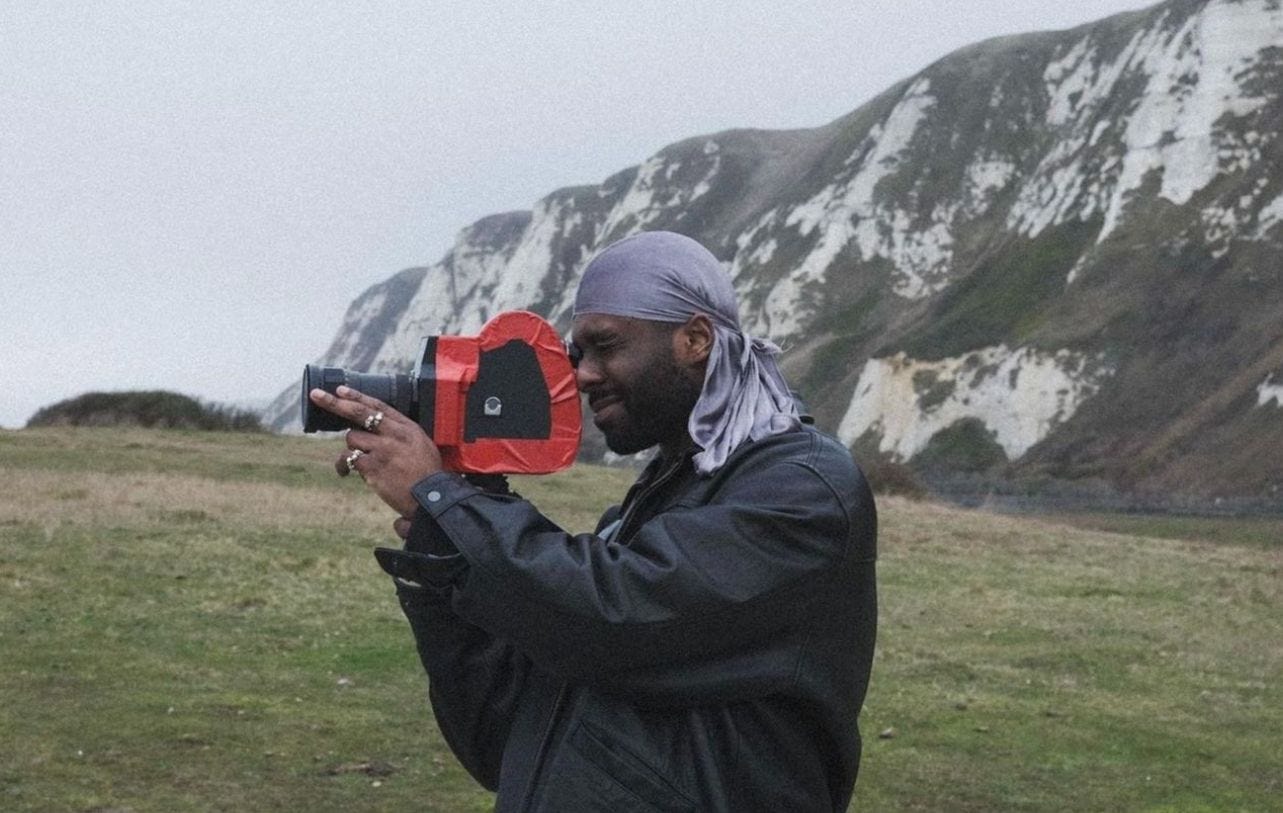
SAM: Structure was the first thing that you shot on film?
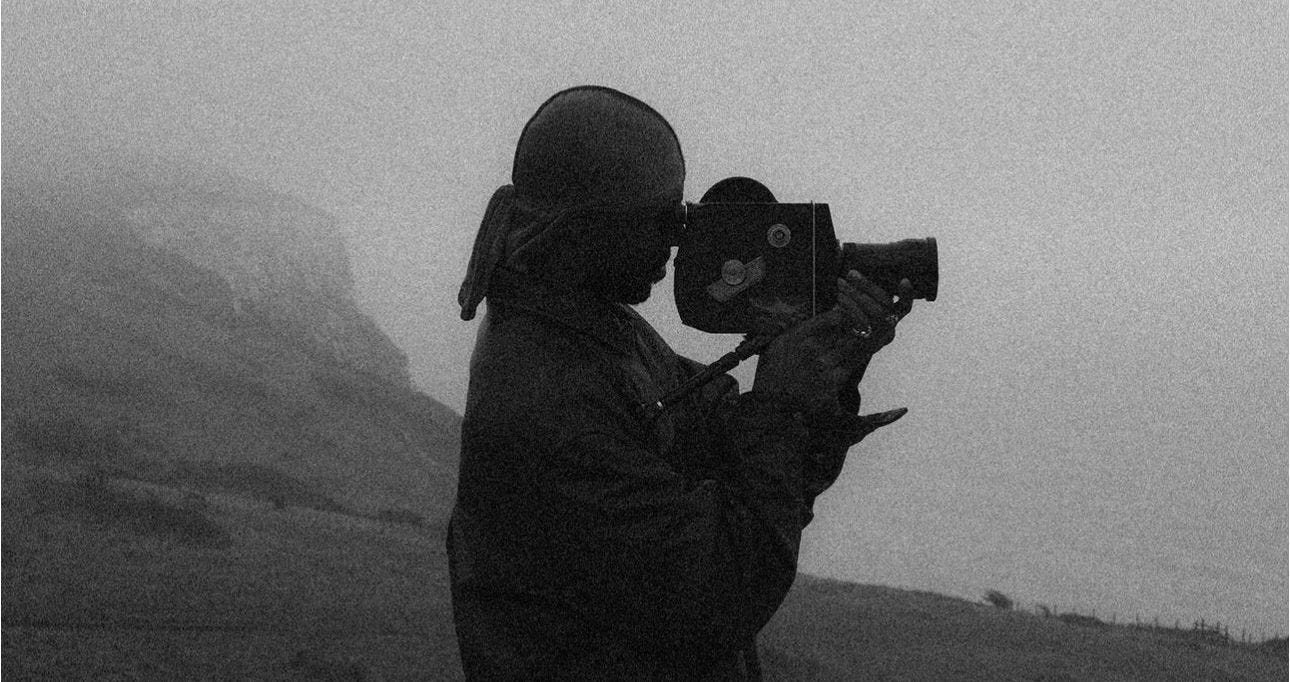
NIYA: When I started like directing I would try to emulate film a lot with digital, and obviously it's not the same. I was really attracted to film. I always wanted to shoot on film, like always. But I was intimidated by it too. There was this point where I was like, you know, I need to get the film camera. The easiest thing is to shoot 8mm, but I wanted to go harder than that. So I got my K3, the Russian camera.
SAM: Yeah, the Krasnogorsk-3?
NIYA: Yeah! That’s why it’s called ‘Structure’. It was this moment of being like, this is what I want to make. Within structure there’s also control. I’m going to take control of my directing career. I’m going to do this properly.
The spoken word that’s over it all, the monologue, it’s my friend who’s in the film reading it, but it’s all my words. It was like a mantra. I want to lose structure, but I love structure at the same time. 16mm allows for that. You don’t know exactly what to expect when you get the film back. And that’s what I love about it. The anticipation. That was the first time I picked up a camera myself. I really value that film. I love it to pieces.
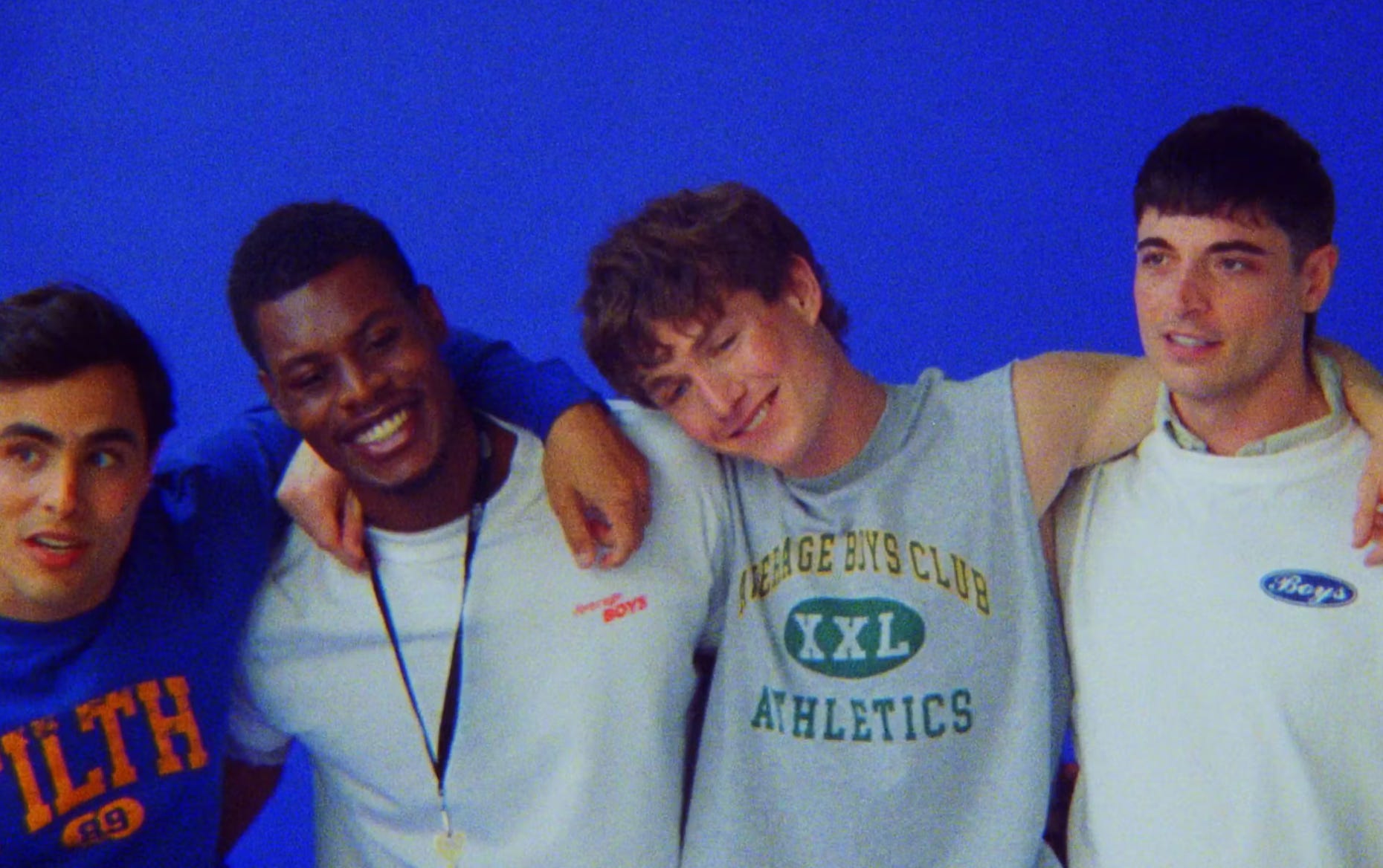
SAM: Nobody gets 16mm to look that good on their first try! Were you shooting digital yourself previously?
NIYA: This was literally the very first time I ever picked up a camera. Not even photography. I had a videographer. I never touched a digital camera. It was wild, like this is what I’m born to do. This is my shit.
SAM: It’s edited really nicely as well. Were working out shots whilst you were there or did you plan the video out?
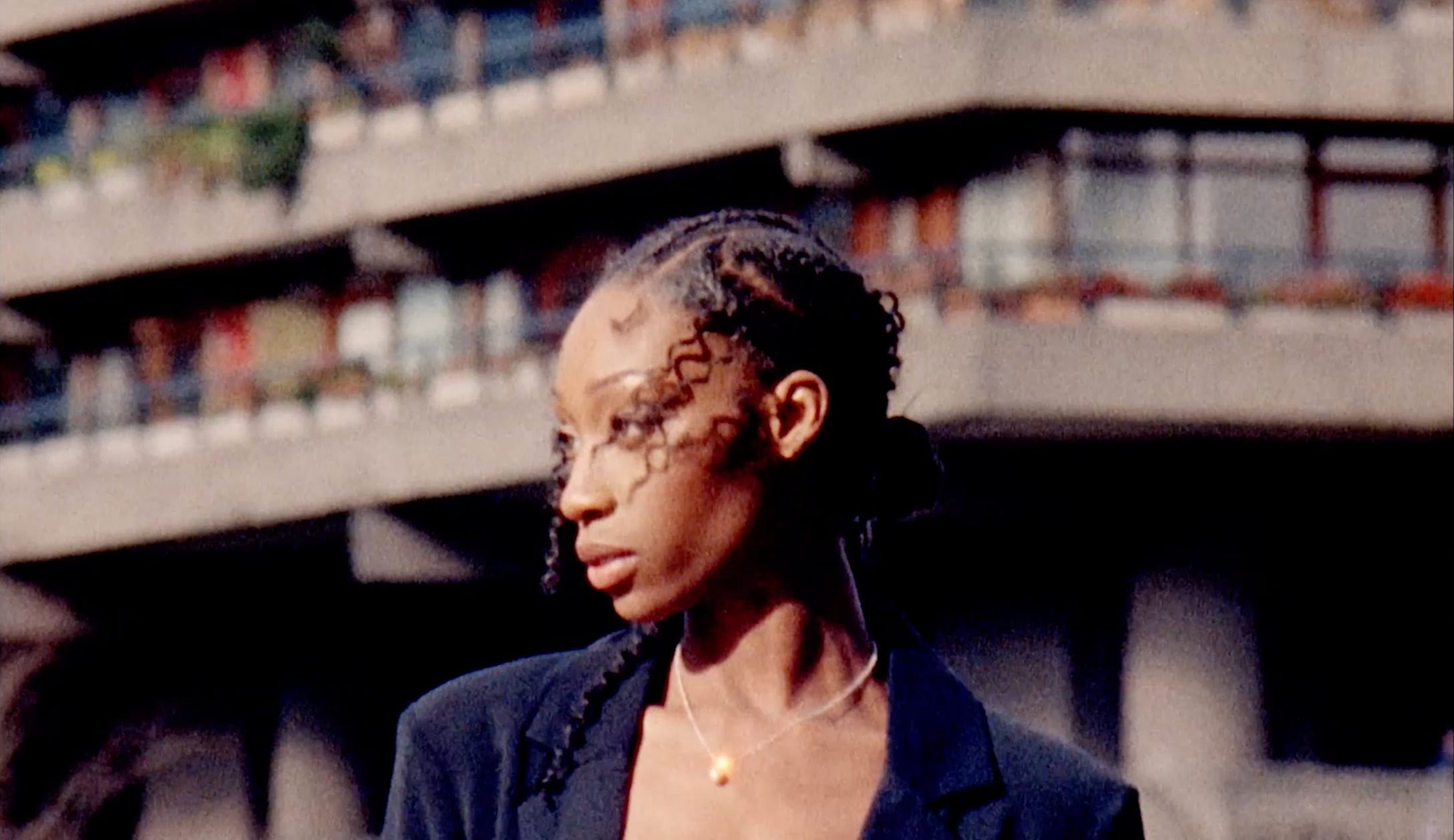
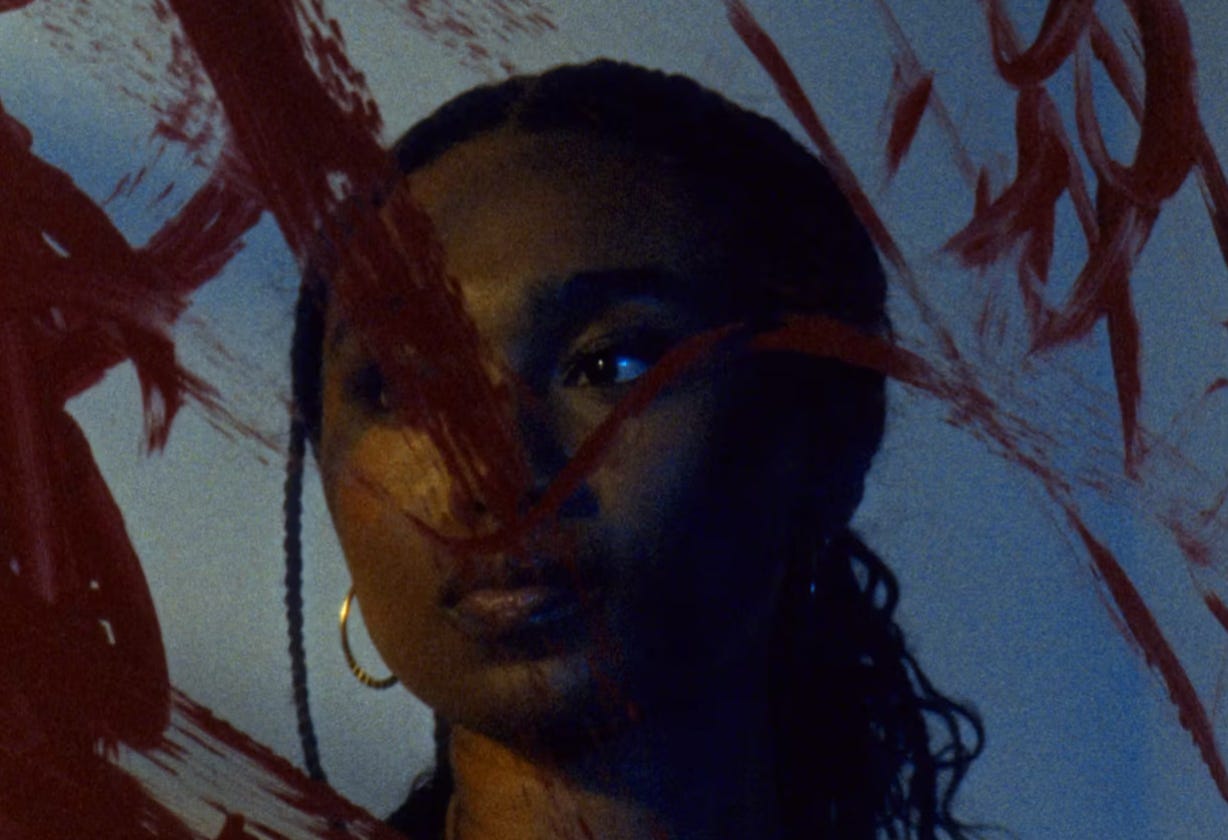
NIYA: I knew what I wanted to see. I wanted the film to look editorial. That’s why she’s in a suit, walking around the Barbican, these iconic structures.
SAM: It feels like an experimental art video piece, but also a fashion video. Do you have any influences?
NIYA: I was looking Louis V stuff. Also, you know what? It's so funny, because people think of Zara as really mainstream, but they do these amazing projects with directors, super high budget, super sleek. I was looking at a lot of that.
SAM: Road to 75, is a teaser for a larger project, 75 Rush. Can you tell me about it?
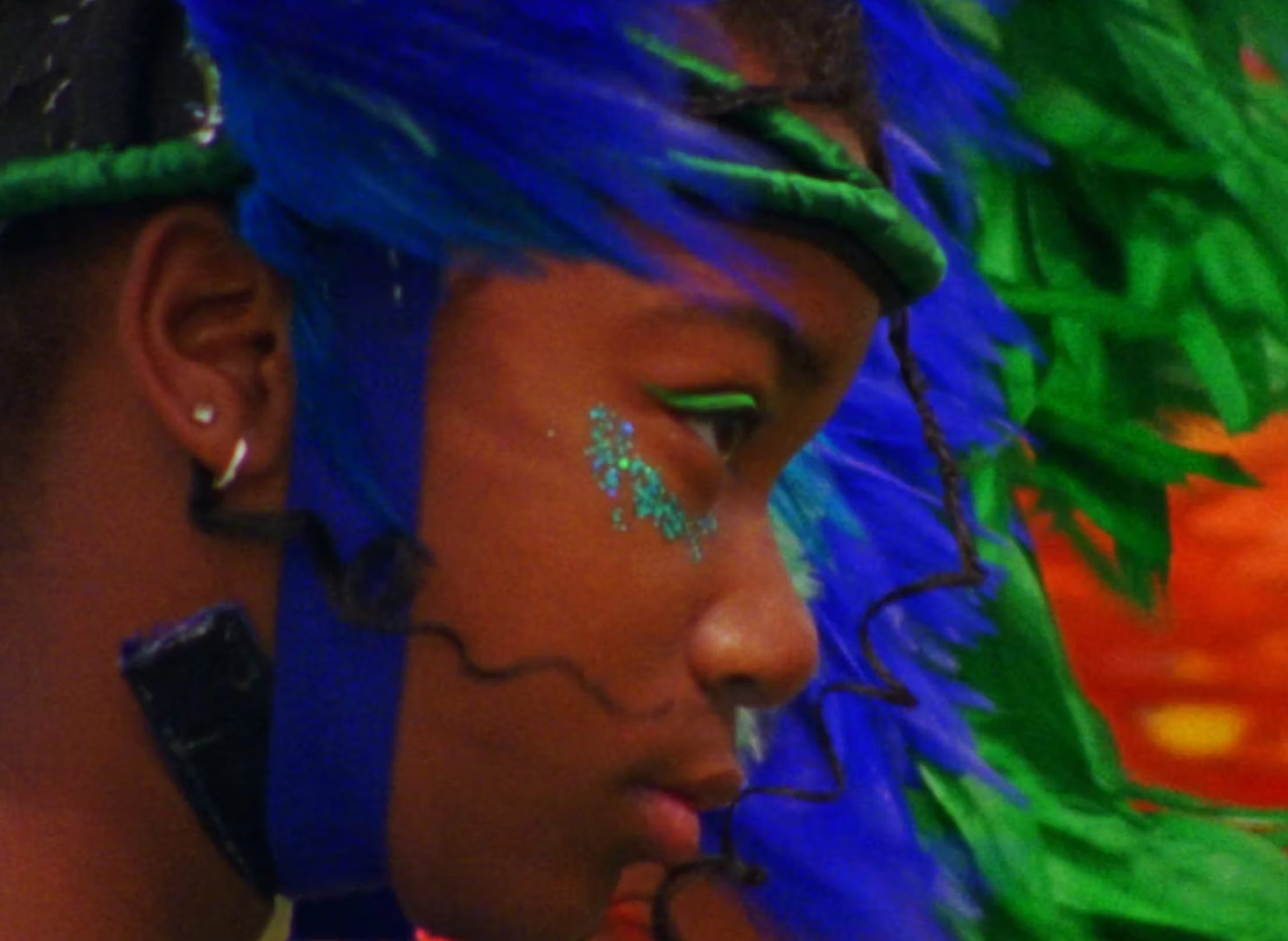
NIYA: Road to 75 was my pitch for the BFI, to show the feeling. The films are about the Windrush, when people came over in the forties from the Caribbean to help rebuild England after the war. It’s the 75th anniversary, so me and my sister decided that we needed to make something to celebrate this.
I wanted to take what we know about documentary to the next level. I added 16mm vignettes. We created sets, created reenactments of this time. But it’s also about the demise of Caribbean culture in Luton, where I’m from.
Luton doesn’t really have a great rep in the media. I wanted to change the narrative. It’s really beautiful. There a lot of nature, a lot of Caribbean culture. It’s just so lovely how it’s integrated into British culture. Youth clubs were a big base for Caribbean people. The carnival was the biggest in England, in Europe at one time. Then the government and councils have stripped all this away. There’s nothing in Luton any more. I wanted to tell that story through really intimate interviews and vignettes. I’m really excited. I just finished it like the other day.
SAM: How was it working with the BFI and Doc Society?
NIYA: The process was interesting. They do low key let you let loose, but at the same time they reign you in in some areas. I appreciated their patience.
SAM: Are you shooting 75 Rush as well, or do you have a cinematographer involved?
NIYA: I have an amazing cinematographer called Henry Gill. He’s really great. What I love about DPs is that they are so calm. I just love that. Sometimes I’m spread out as the director. It was interesting to give that up, because I’ve been shooting my work for two years straight now.
SAM: How did that inform your collaborations with cinematographers?
NIYA: I feel like filmmakers should go and shoot for themselves so you know what you want, and are able to translate that. But also, it means you can’t be taken for an idiot, because you know what is going on. It’s good to create a visual style.
SAM: Do you have any advice for filmmaker? Both in terms of shooting on film, and also in terms of getting projects off the ground?
NIYA: I would say you need to see yourself 100% in everything you do. That gets lost a lot, especially in the commercial world. There’s so many voices. Obviously it’s all about collaboration, that’s what I build myself on. It’s what’s allowed me to have consistent work with artists. Collaboration. I listen to them but also apply my vision. We create something together.
I’ve been doing my first creative direction role for this EP roll out, for this singer called Bina, that’s down to, like, the album and single covers, directing and editing all of the videos. This is something I’ve always dreamed of. It was an interesting experience because only two of the seven are shot on film, and the rest is digital. What’s happened now that I’ve tried some Arris is I still can’t let the film go. I do feel like digital is far too clean. Real life is not that clean.
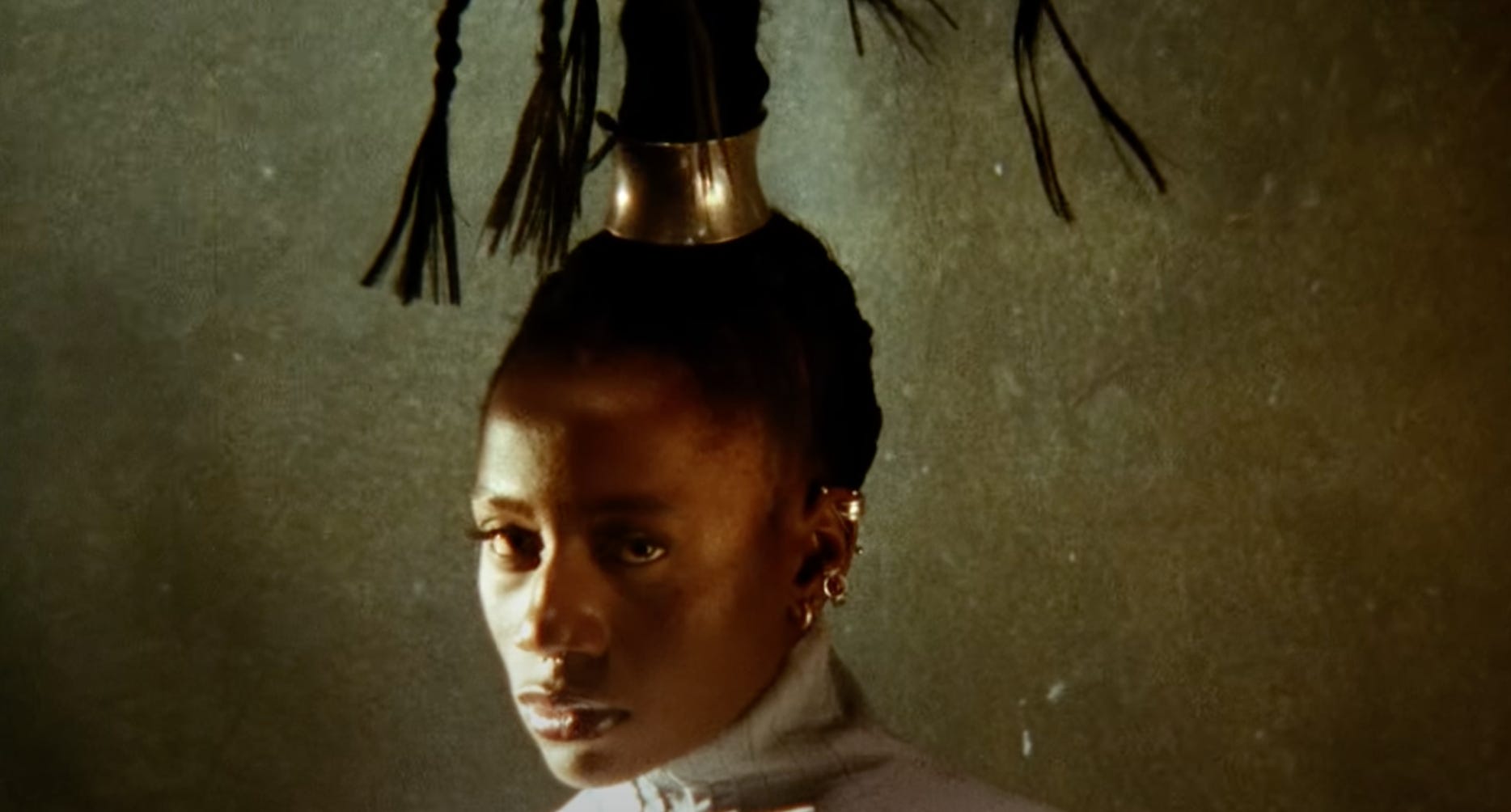
In terms of shooting on film, the essence of shooting on film is the best thing. There’s an element of trust and there’s this quickness to it. One of my favourite works, Dopamine by Bina, has these really striking, visuals. On the day we had two hours. Because we were shooting on film, no one can go and check if her hair is out of place or whatever. We just had to go with the vibe. I love film so much, it’s actually amazing.
 | A guest post by
|