Client Showcase #19: Will Creswick


Will’s work is driven less by polish and more by presence. Shaped by a background in skating and music, his path into filmmaking has been instinctive rather than calculated. Will approaches analogue image making as an act of participation, something lived and felt in real time. Working primarily with 16mm, his process prioritises trust, limitation, and connection over perfection.
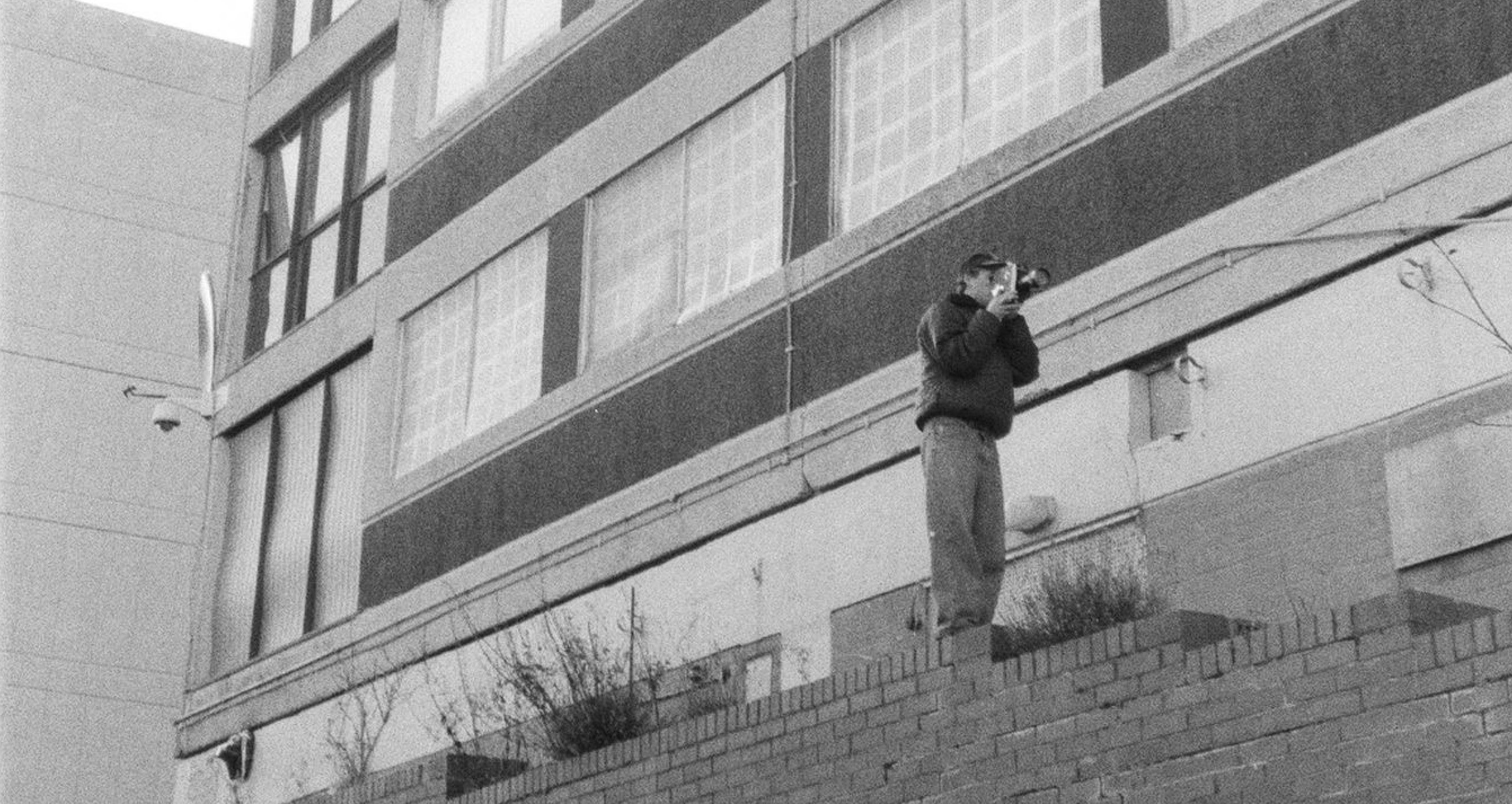
SAM: How did you get into shooting on film?
WILL: Through skating. A lot of people around me were shooting on film. One day I asked someone: “I wanna try it, what camera should I get?”
SAM: When did you transition to music and fashion work?
WILL: It was a few years after my degree studying Community Development and Youth Work in London. Once I was working in this field I felt like I had missed an opportunity to learn more about my other interests which I could one day bring back into my youth work practice. I moved back home to Newcastle and started making images for local musicians, as well as other random bits of commercial work.
And then once you’re looped into the music management and label world, they all wanted video as well. So I started leaning into that. One day I was doing BTS on a music video and somebody was like: “here’s the Super 8, do you mind doing a bit of that?” I got really into it.
My edits are very fast-paced, I don’t do a lot of grading or tweaking. I like the way that it comes out, I’m more focused on the experience of doing it than the way it’s delivered. I like the honesty of making the work. It goes in hand with the experience of making it.
SAM: You can see that in your work. You’re not putting barriers between you and your subject matter. It feels very direct and honest.
WILL: The more work I would put out into the world, the more people see what you’re interested in making.
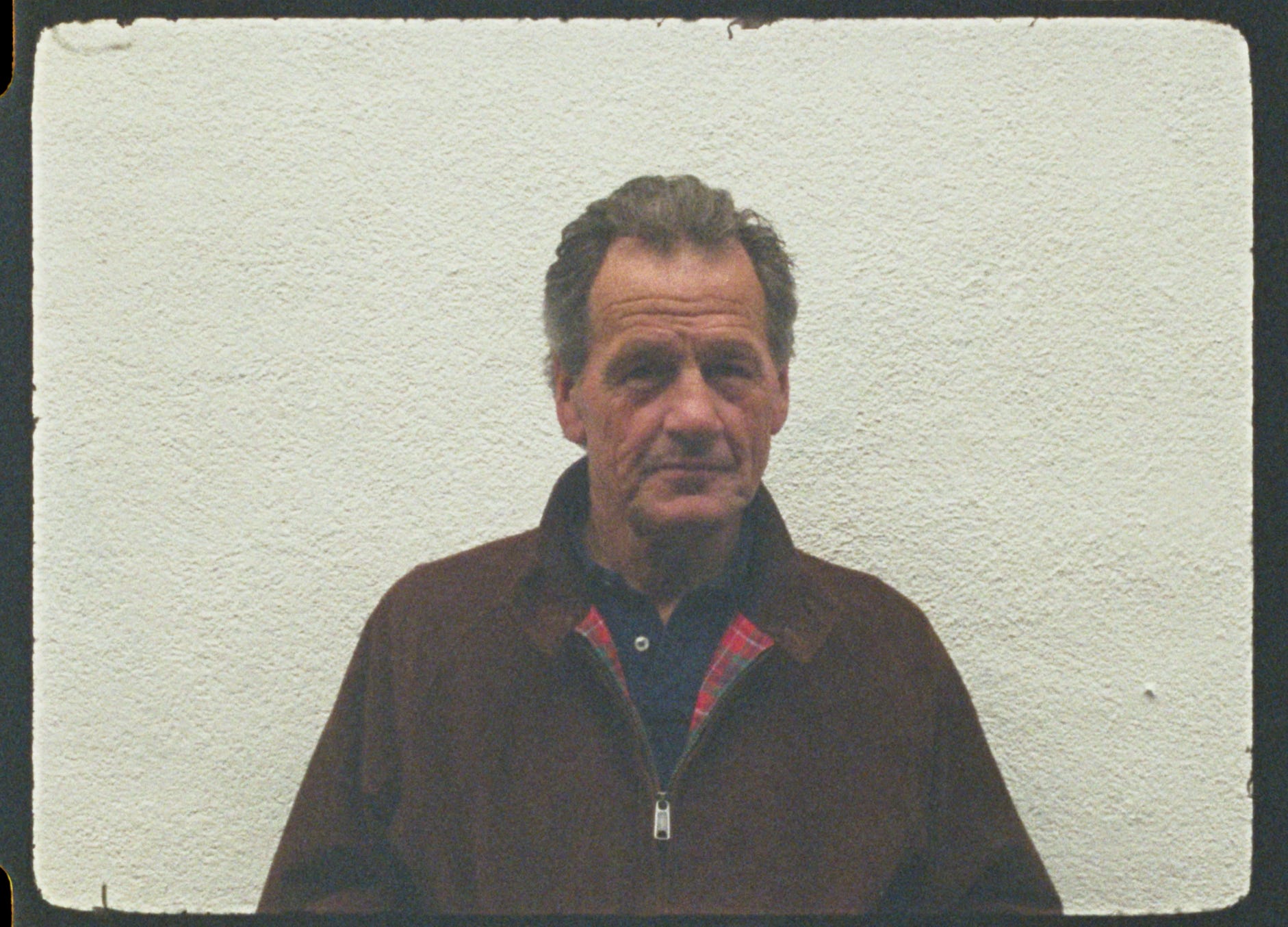
SAM: Can you describe the street casting process for the Baracuta video?
WILL: We didn’t have too much of a plan. Just two days in Manchester shooting people we met on the street, interviewing and filming them in the process. I was trying to think of people I knew there before we went, and the only person I could think of was my friend’s dad, Axel. He’s a really interesting character and I knew he would be good to interview.
While we were shooting him, an old mate walked past. He was sending orders off to the post office or something, and I was like: “do you wanna put a jacket on and we can shoot and interview you?” I think trusting the process and allowing things to change during shoots always helps me when I’m working. I love acting sporadically and embracing those moments.
Another one of the people involved was our Uber driver, who took us from one side of the city to the other, and by the time we were getting out of the car, we asked him if he wanted to be a part of it. I really enjoyed the experience of making it. Hopefully that translates in the final product.
When you have the 16mm camera, you know that you’re only gonna shoot ten minutes max footage a day, so you’re spending all that time talking to the people in front of you first. You’re getting to know those people. And then you’re only working with small bits of footage, you’re less likely to edit footage down. You’re constantly banking footage when you work digitally.
SAM: How was it for you learning to shoot 16mm?
WILL: It’s pretty stressful. The cost of it makes you really focus in and refine your craft as quickly as you can. I bought a K3 off Facebook Marketplace and have always taken a similar approach to the way I take photos. I like that you need to be sure of what and why you’re shooting before you start shooting when using film. The first time I got footage back on the Super 8, I was equally as interested in pulling stills from the footage. It really clicked that you’re shooting how ever many photos in a second. Once I kind of had that realization it helped me transfer everything from photography over to filmmaking.
SAM: How was shooting the Oasis video?
WILL: Amazing! It was directed by Dan Broadley. We’d worked together a few times with Sam Fender, and he directed the video side of the Oasis 2025 tour. I ended up filming the London and Manchester shows, mostly on 16mm. His vision was to nod to the past and bring it back to the present, creating footage that feels like when the band first existed.
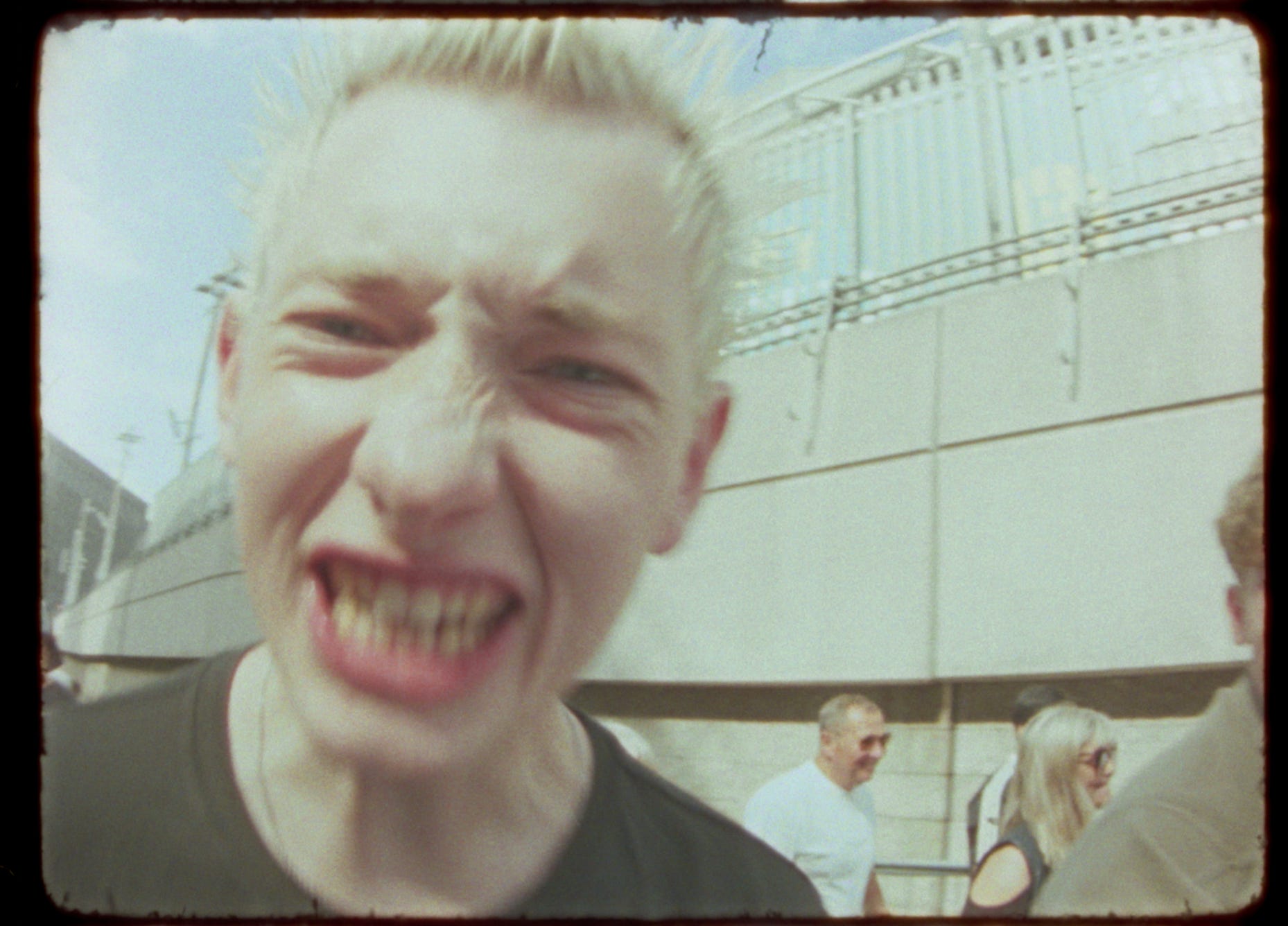
Not being able to film the whole time allows you to take your time and focus on what’s really happening. You can find the bit that excites you the most. I mainly filmed the crowd. People came from all over the world and that was the joy of documenting it. It was an amazing spectacle. My main thing with all this filmmaking stuff is that joy of being in the moment. That’s what inspires me the most.
SAM: Is there any advice you’d have to people starting out?
WILL: Don’t be afraid to be collaborative. Ask for advice. Ask to make things with people. When you’re in your own head it becomes bigger than it really is. Take your time, and let yourself absorb the world. All of those things have fully played into where I am at now. I might not have been filming for a great deal of time, but the first fifteen years of my life facilitated where I am now.
I think it is important to follow what you’re interested in. It’s very easy to follow the money and find yourself down a certain rabbit hole, but before you know it, you could be making work that really doesn’t ignite that fire inside of you, and if you’re doing that, you’re not going to last very long.
SAM: What do you have coming up?
WILL: The next project I’m really excited about is with a brand making a short documentary about food and community. We’re going to South Wales for a week to follow three different pillars in the food community. It’ll be a documentary style, and we’ll be shooting a lot there on 16mm. I’m really excited to see what we can make. I’m really grateful for the access that filmmaking has brought me.
 | A guest post by
|